I Wasn't Supposed to Succeed
My first night as an addiction counselor, I sat alone in a room with eight angry teenagers who didn't want to be there.
I had zero experience with addiction treatment. No training. No playbook.
Just me and a group of kids who could smell my fear from across the room.
I was supposed to fail.
But I didn't have the luxury of giving up.
These kids needed help, and I was all they had.
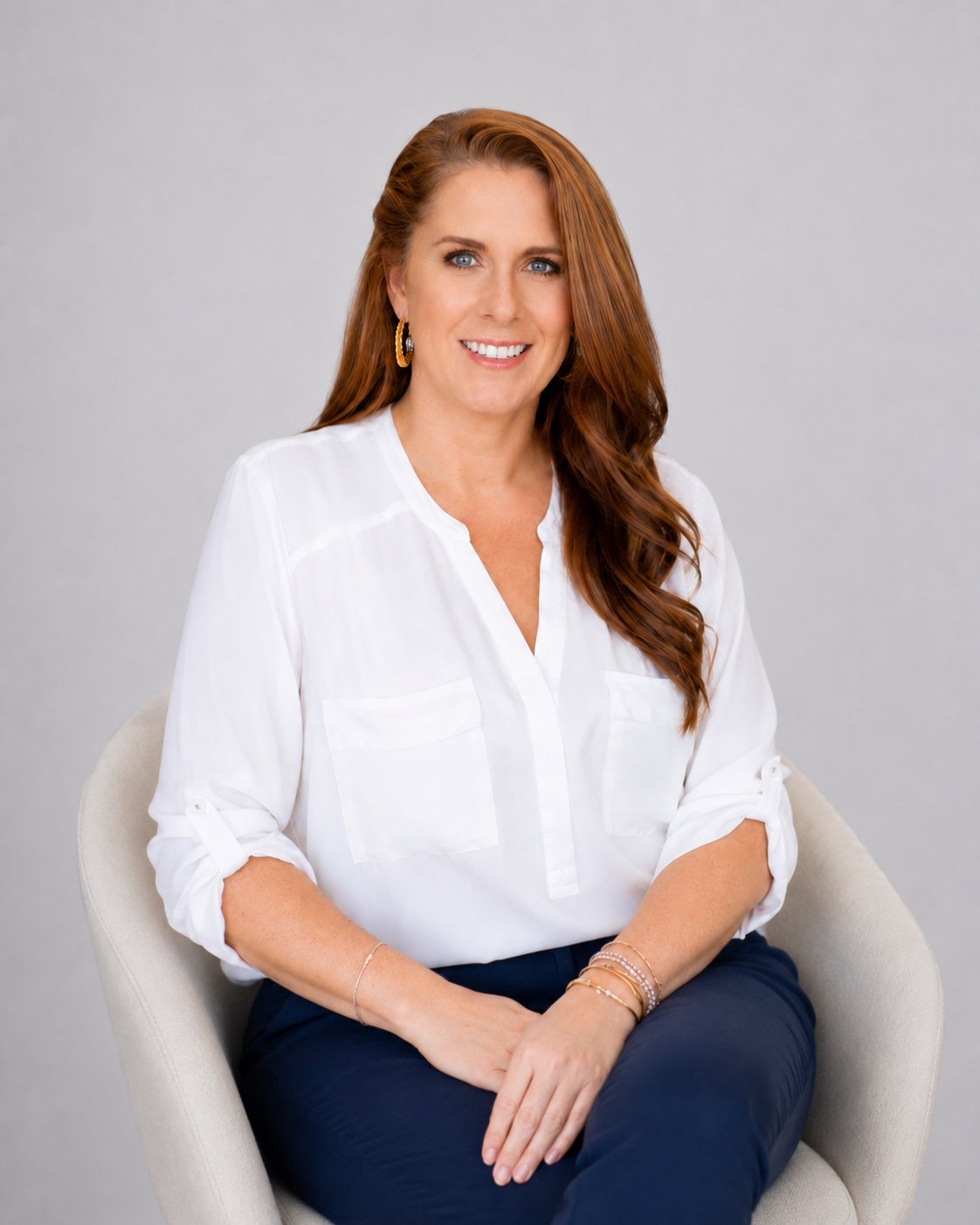
So I threw out everything I thought I knew about "professional counseling" and did the only thing I could think of:
I listened. Really listened.
I stopped trying to sound like a therapist and started treating them like the smart, capable people they were.
I asked them what they needed.
I built trust instead of pushing treatment. I celebrated small wins instead of focusing on failures.
And something incredible happened.
The program worked.
Not because I followed the rules — but because I broke them.
Learn More About AmberThe Team That Changed Everything

Kim
The One Who Believed in the Method
When Kim walked into my program as a counseling intern, I was terrified she'd think I was doing everything wrong.
"Be ready for chaos," I warned her. "These kids don't hold back."
Kim didn't flinch. She jumped right in, matching my energy and adding her own calm, grounded presence.
Together, we expanded beyond the teens and started a parent group — teaching exhausted, desperate parents how to rebuild trust and find strategies that actually worked.
That parent group grew so fast we outgrew the hospital gym where we met. Parents were finally getting real answers instead of vague platitudes.
Learn More About Kim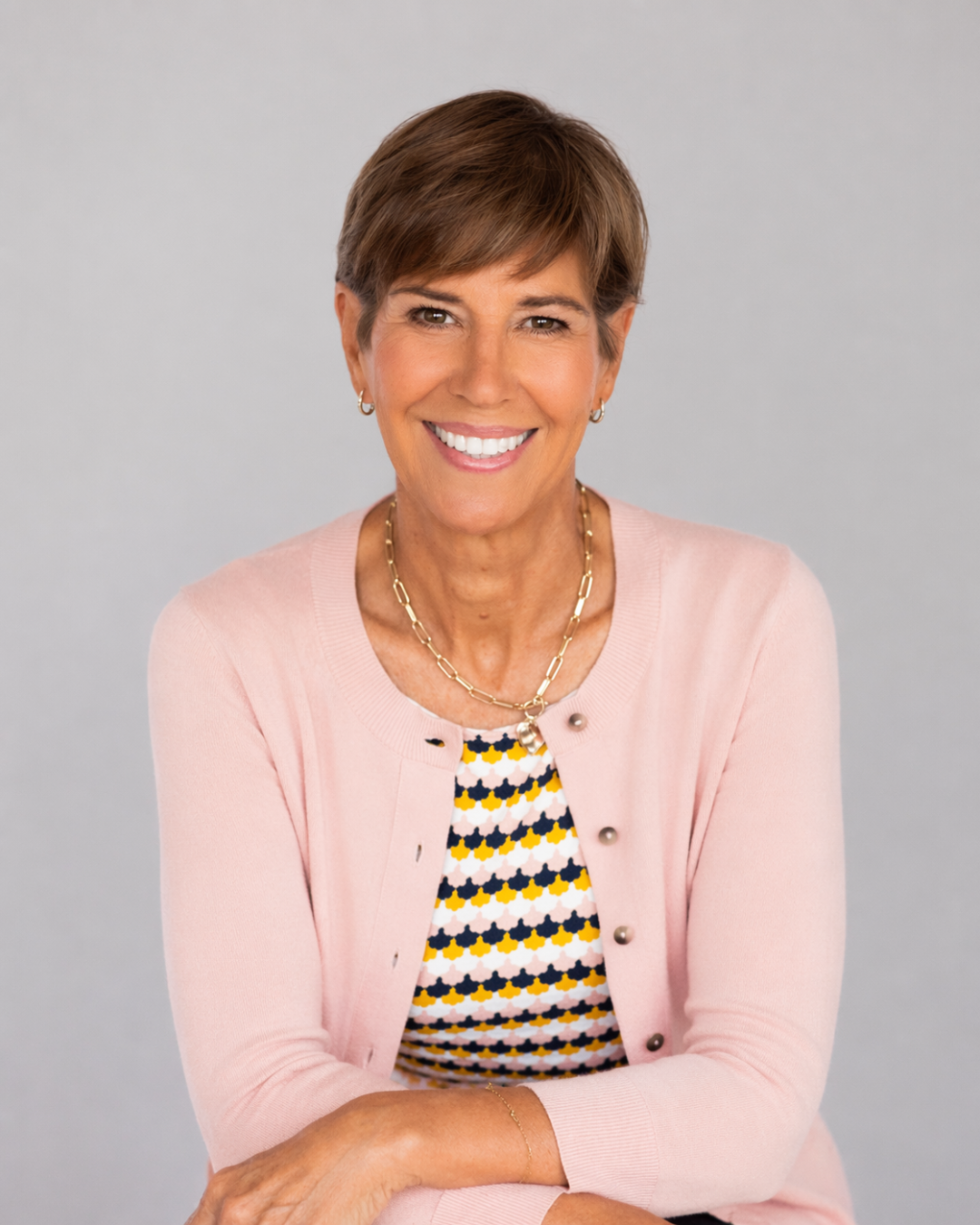
Campbell
From Desperate Parent to Expert Guide
Then Campbell showed up — not as a counselor, but as a parent in crisis.
One of her sons was struggling with addiction, and she and her husband Frank were doing everything they could think of to help. Nothing was working. They were drowning.
But Campbell stuck with the group. She learned the method. She applied it. And slowly, things started to turn around.
The experience transformed her so deeply that she went back to school to become a counselor herself — not to follow the traditional path, but to help other families the way we'd helped hers. When Campbell finished her degree, I knew exactly where she belonged: on our team, helping families navigate the same nightmare she'd lived through.
Learn More About Campbell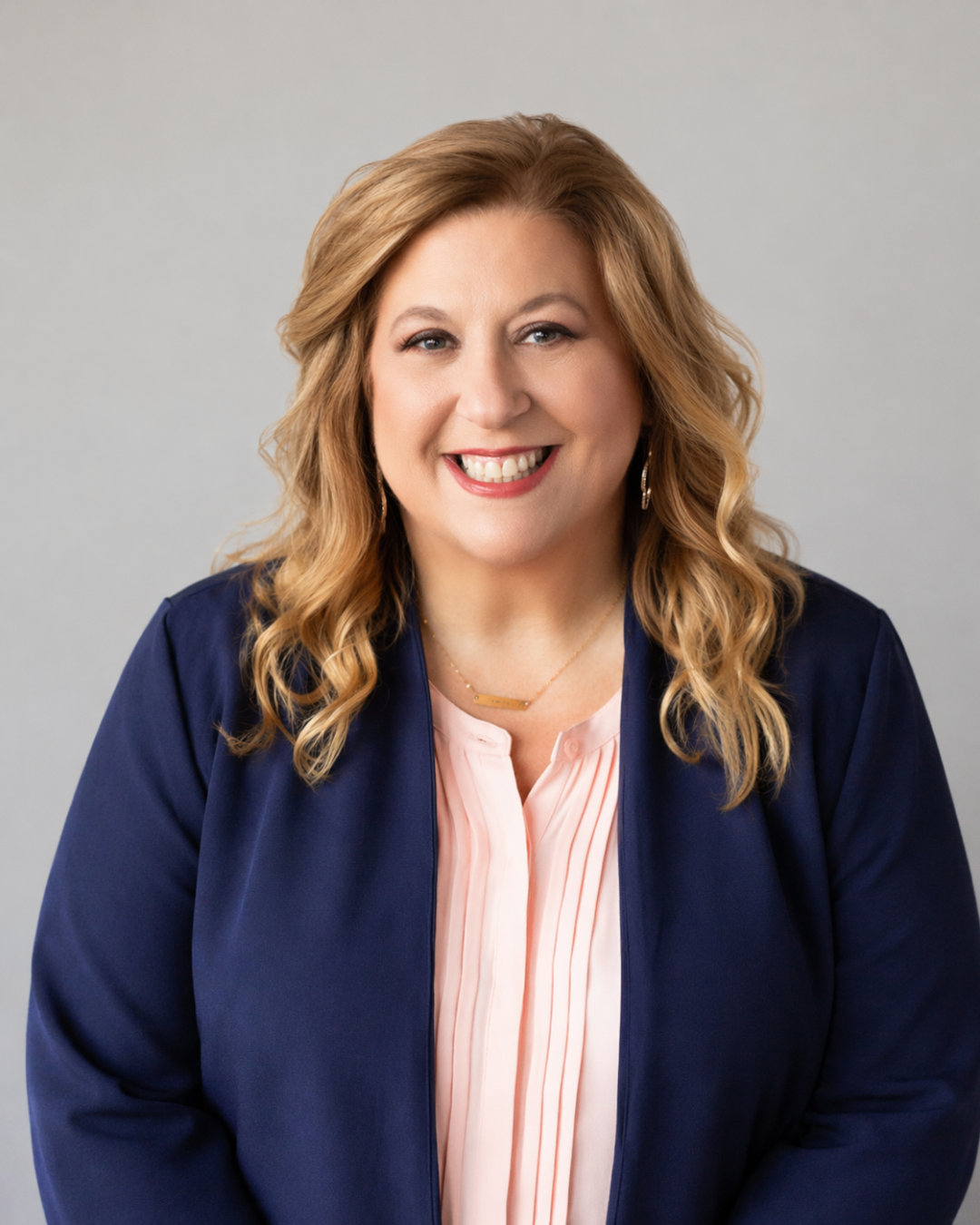
Bree
The One Who Holds It All Together
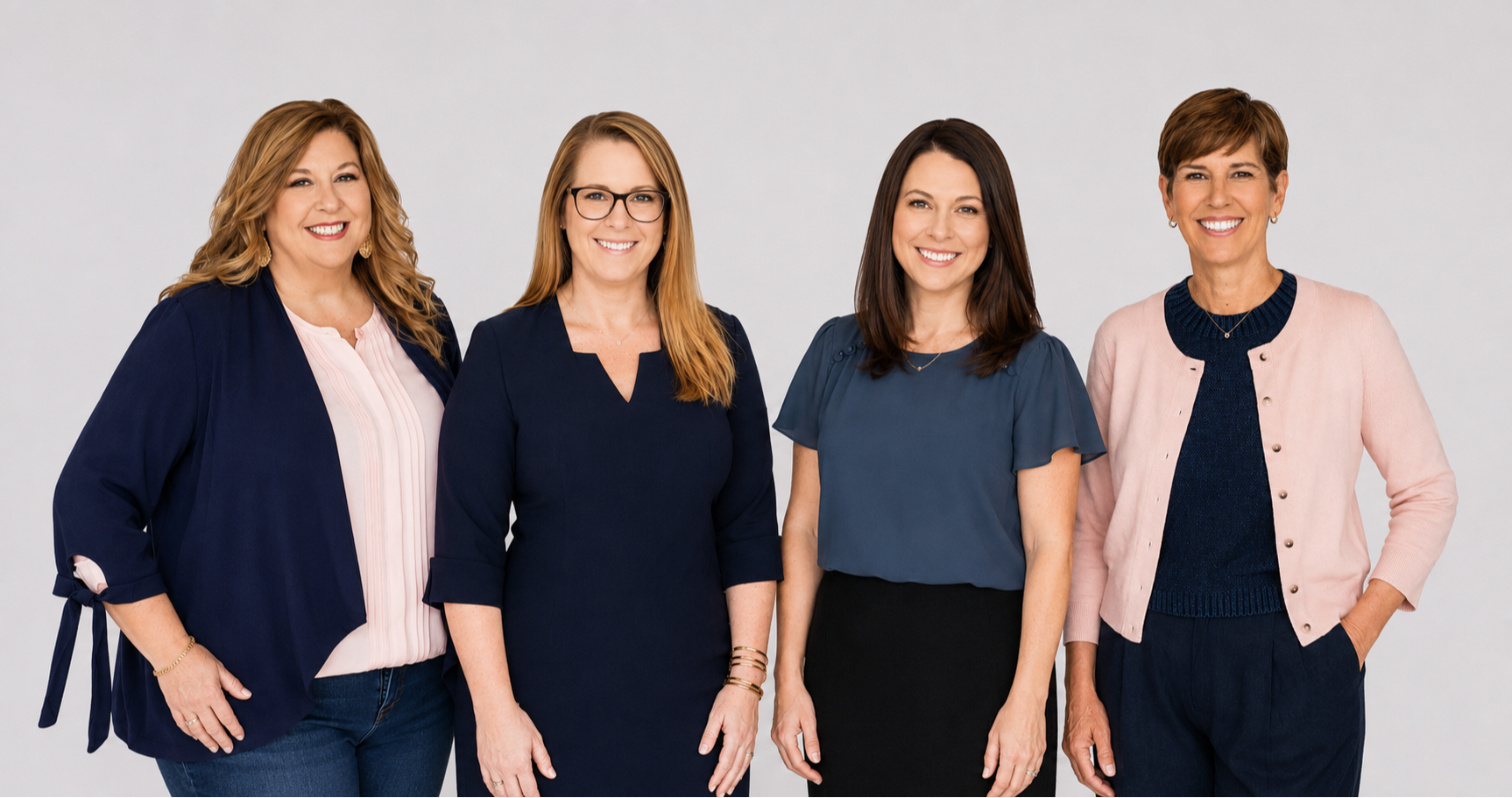
Every team has someone working behind the scenes who makes everything else possible. For us, that's Bree.
Campbell brought Bree into the fold more than ten years ago — they'd worked together before, and Campbell knew exactly what she was getting. Bree manages the schedules, gets clients connected to the right people and programs, and keeps the whole operation running without missing a beat. Think air traffic control — except instead of planes, she's making sure real people in crisis land exactly where they need to be.
We couldn't do any of this without her.
From Greenville to the World
The calls kept coming from all over the country. Desperate parents. Worried partners. People who needed help now but lived hundreds of miles away.
So we did something unconventional (again):
we started sharing our methods online.
We launched the Put The Shovel Down YouTube channel, created online courses, and developed virtual coaching programs that brought the Hope For Families Method to families everywhere — not just those who could drive to our office.
That channel has grown to over 800,000 subscribers. If you found us there, welcome — you're in the right place. Family Recovery Academy is the home base for everything we teach.
WATCH ON YOUTUBE
Where We Are Now
Over time, the work evolved. All three of us trained and practiced as licensed counselors for years. But as the online programs grew, we made a deliberate decision to step away from clinical practice and focus exclusively on coaching and education.
Not because we had to. Because this is the work we actually want to do — and coaching is the right model for it.
Today, we've helped thousands of families across the country stop the cycle of addiction and rebuild their relationships.
The method is the same one that worked in that hospital gym in Greenville. We've just figured out how to bring it to a lot more people.
Resources
Find What Fits Your Situation
Get immediate access to guidance, tools, and insights designed for your situation.
DON'T LEAVE WITHOUT SUPPORT
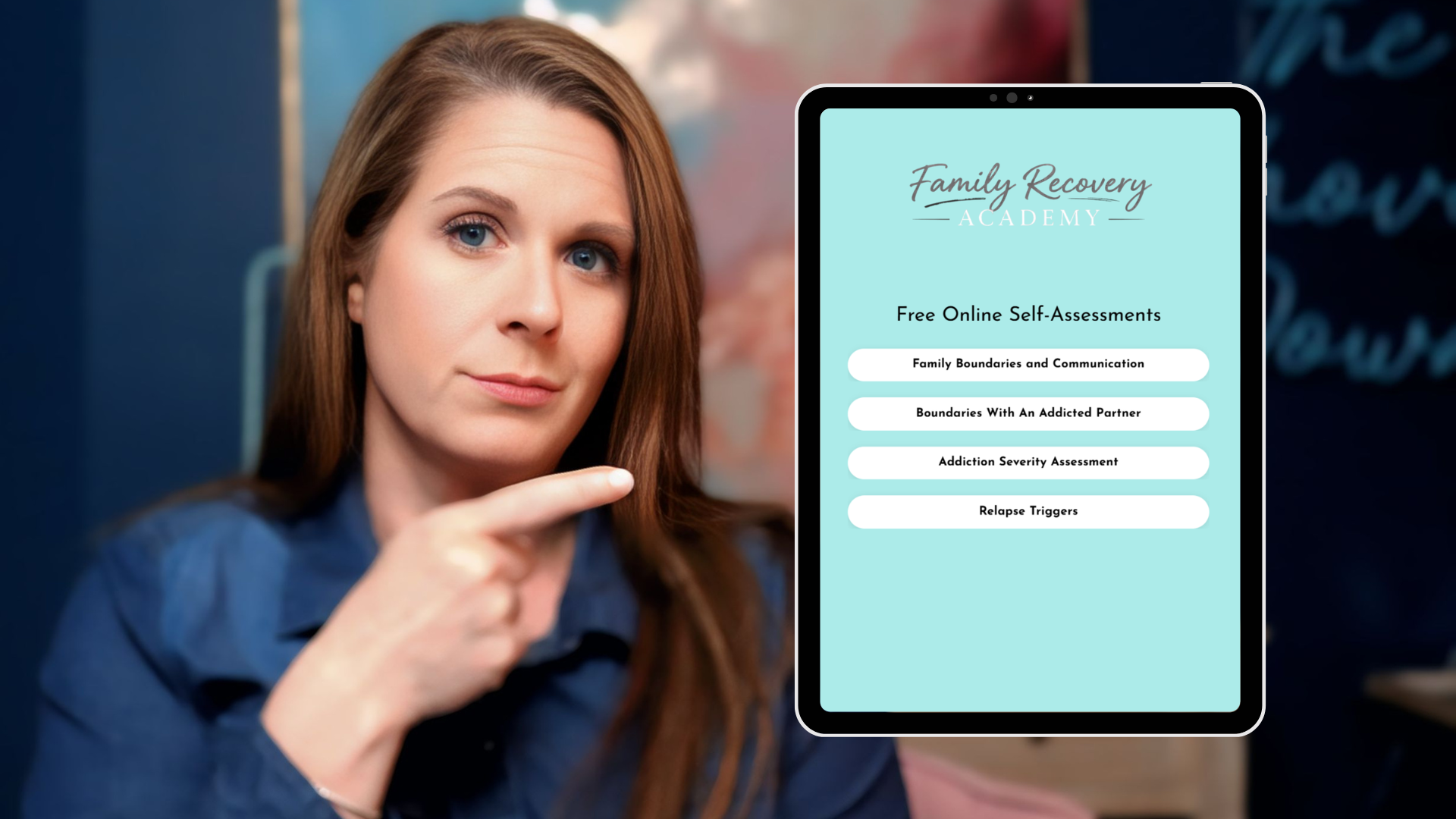
Self Assessment
Get clarity on your situation with guided assessments around boundaries, communication, and patterns so you can understand what’s really going on and what to do next.
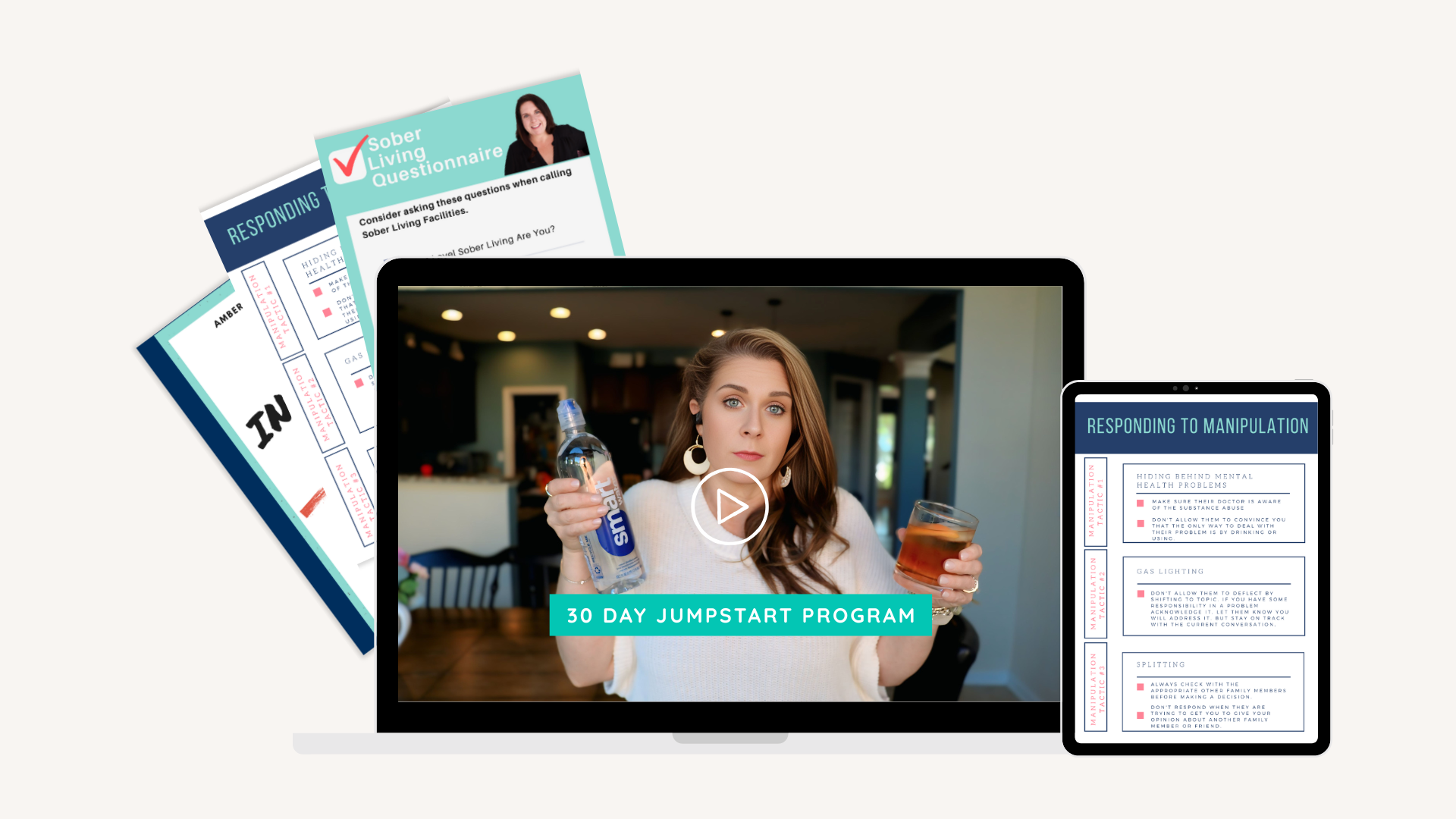
Free Resources
Access practical tools and trainings to help you navigate conversations, recognize patterns, and respond with confidence at your own pace.

What We’ve Learned After Helping Thousands of Families
People are more open to change when they feel connected instead of cornered, when they can see something worth moving toward, and when the people around them understand how addiction influences their thinking and behavior.
This isn’t about becoming softer, ignoring consequences, or protecting someone from the results of their choices. It’s a more strategic approach—one that replaces power struggles with influence, confusion with clarity, and constant reacting with purposeful action.
Families have more influence than they’ve been led to believe.
You can protect yourself without abandoning your loved one. You can encourage change without trying to control it. And you can begin before everything falls apart.
That’s what we teach—and we’ve seen it change the direction of thousands of families.
BOOK A SESSION